

Anxiety Therapy for Children, Teens & Adults in Rochester Hills, MI
Feeling Stuck in an Anxious Cycle?
You are not alone

Anxiety disorders affect 359 million people worldwide
Thats a lot of people, in Michigan that would account for 1.5 million adults, and even more children. Anxiety is one of the most common mental health conditions, affecting nearly 1 in 5 U.S. adults each year. Even more striking, 1 in 3 adolescents will experience an anxiety disorder before reaching adulthood. While anxiety is incredibly common, it doesn't have to control your life.
We'll help you break free
Anxiety can leave you or your loved one feeling trapped in patterns of worry, avoidance, and constant overthinking. At Root & Bloom Therapy, we use evidence-based approaches to help you understand what's fueling your anxiety, develop practical coping skills, and gradually regain confidence in situations that once felt overwhelming. Whether you're seeking support for yourself or your child, our goal is to help you break the cycle of anxiety and move forward with greater calm, resilience, and control.

Understand Your Anxiety
The first step is understanding how your anxiety works. Together, we'll identify triggers, thought patterns, physical symptoms, and behaviors that may be reinforcing the cycle of anxiety. Gaining insight helps you respond more intentionally instead of reacting automatically.

Learn Practical Coping Skills
You'll learn evidence-based strategies to calm your nervous system, challenge anxious thoughts, manage physical symptoms, and navigate stressful situations with greater confidence. These skills are tailored to your unique experiences and goals.

Break the Cycle of Avoidance
Anxiety often grows when we avoid the things that make us uncomfortable. Therapy helps you gradually face those situations in a safe, supportive way, allowing you to build resilience and regain the freedom to do the things that matter most.
Our Anxiety Specialists
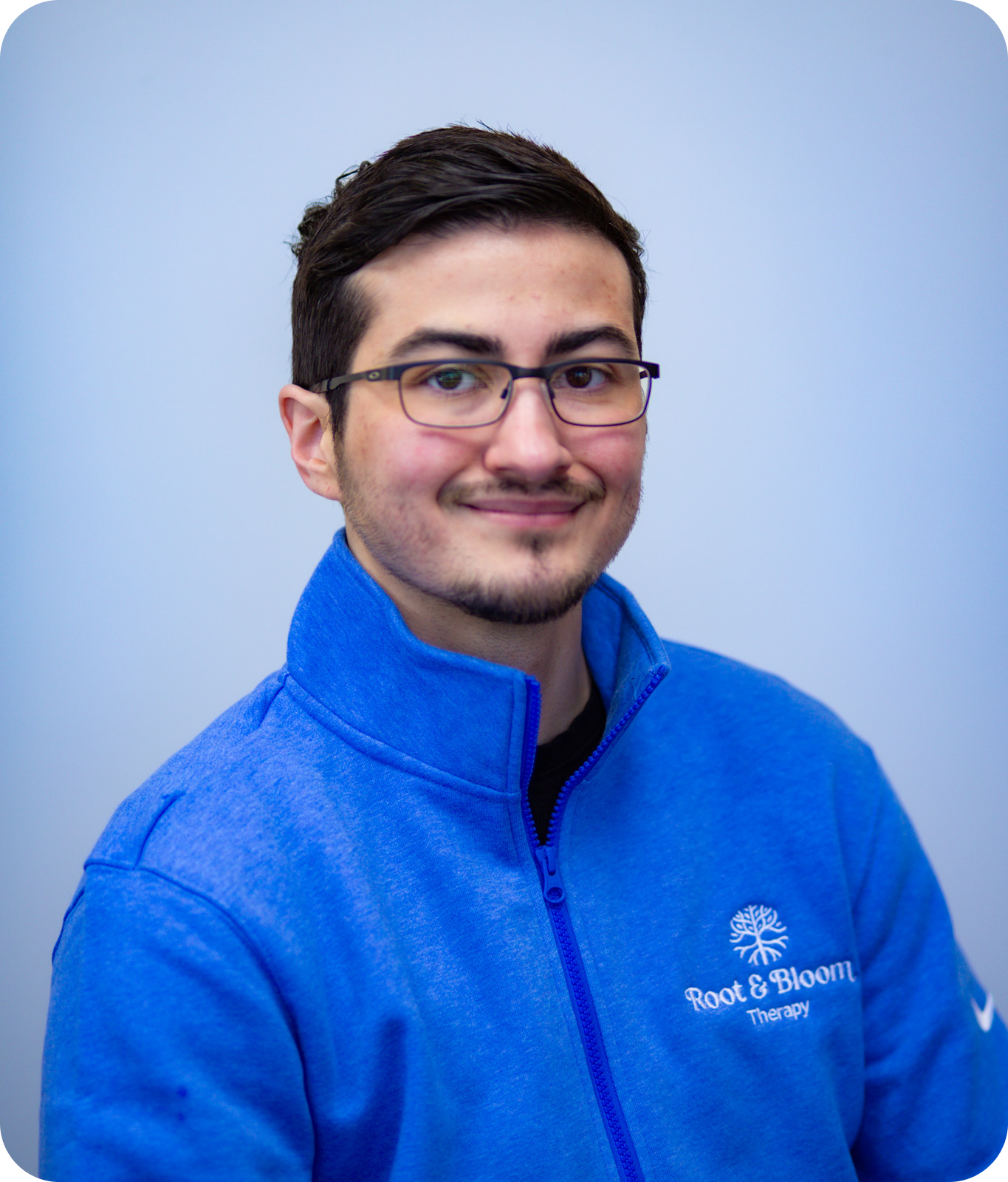
Jack Rodriguez
Trauma & Anxiety SpecialistJack Rodriguez helps children, teens, and adults develop practical skills to manage anxiety, reduce panic, challenge unhelpful thought patterns, and build lasting confidence. Using evidence-based approaches including CBT and Trauma-Focused CBT, he creates personalized treatment plans that help clients regain control and navigate life's challenges with greater resilience.
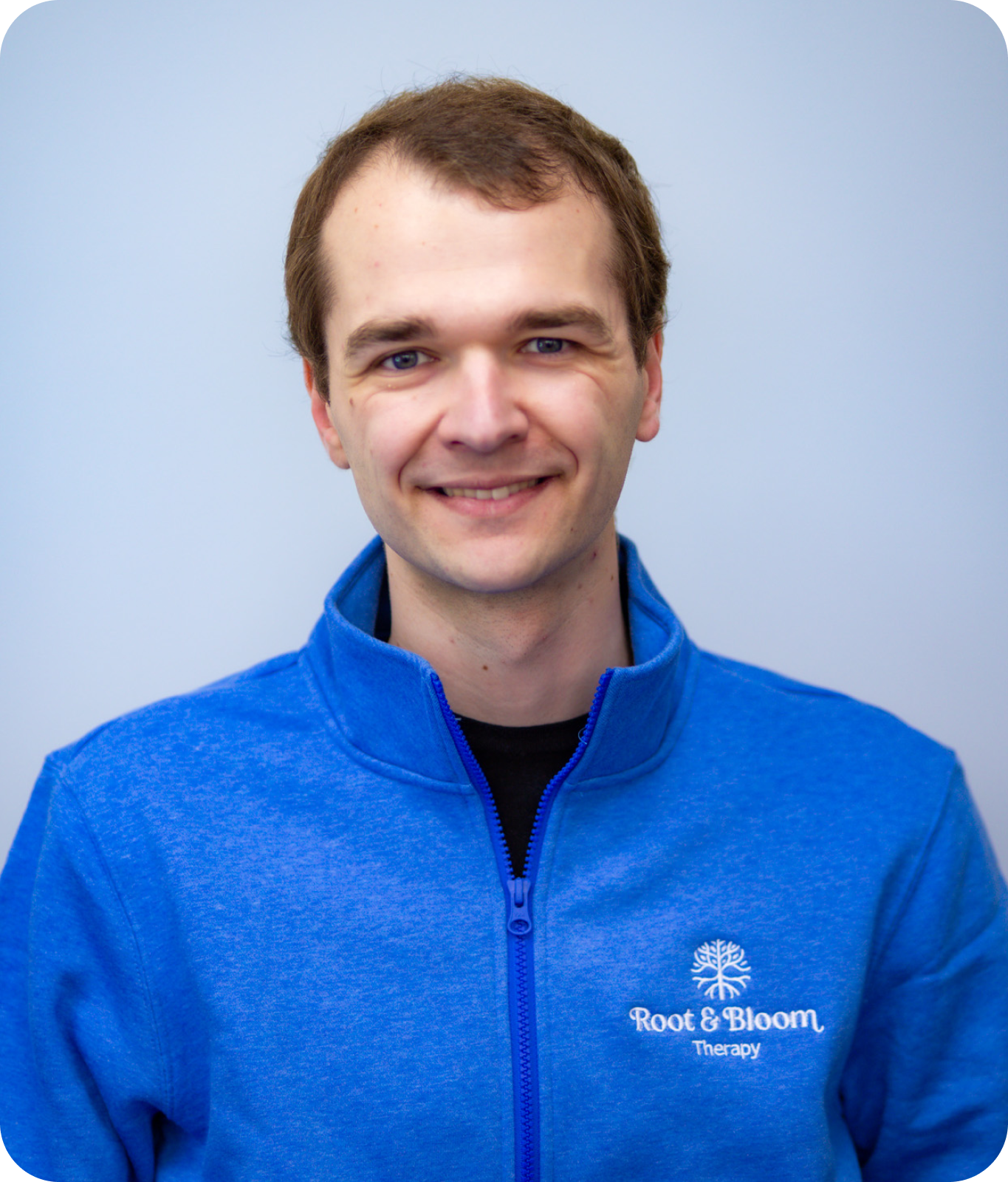
Will specializes in helping individuals understand the root of their anxiety while developing practical skills to manage worry, regulate emotions, and navigate life's challenges with greater confidence. Using evidence-based approaches including CBT and DBT, he works collaboratively with clients to build healthier thought patterns, effective coping strategies, and lasting resilience.
Anxiety SpecialistWill Hove
Frequently Asked Questions
-
If worry is interfering with school, sleep, friendships, or family life, it may be helpful to seek professional support.
-
Yes. CBT is considered one of the most evidence-based treatments for childhood anxiety.
-
Yes. We work with adolescents navigating academic stress, social anxiety, and panic symptoms.
-
Yes. We offer online therapy services across Michigan, and in office therapy in Rochester Hills
-
The frequency of therapy sessions can vary depending on individual needs, goals, and circumstances. Here is our guidelines:
Weekly Sessions
Standard Practice: Many people start with weekly sessions, especially at the beginning of therapy. This frequency helps build a strong therapeutic relationship and provides consistent support.
Building Momentum: Weekly sessions can help maintain momentum and ensure progress towards goals.
Biweekly Sessions
Stable Progress: As you begin to see progress, sessions may be reduced to every other week. This can help maintain gains while allowing more time to apply what you've learned between sessions.
Monthly Sessions
Maintenance Mode: Once significant progress has been made, monthly sessions can help maintain and reinforce the gains. This frequency can be useful for checking in and addressing any new or ongoing issues.
Long-Term Support: This can be particularly beneficial for long-term therapy clients who need periodic support.
Intensive or Crisis Situations
Increased Frequency: During times of crisis or severe distress, you might need more frequent sessions, such as multiple times per week, to provide intensive support and stabilization.
-
We are in-network with Aetna, Blue Care Network, Blue Cross Blue Shield, Medicare, Priority Health, and United Healthcare.